
Analysis of Galvanized Steel in Roofing vs Structural Use
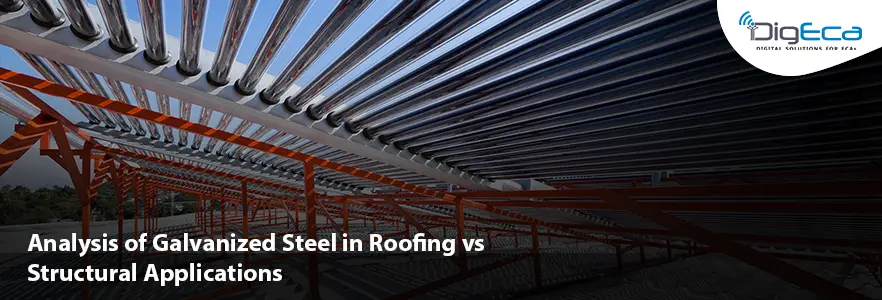
Analysis of Galvanized Steel in Roofing vs Structural Applications
Galvanized steel has become a cornerstone material in modern construction — balancing performance, durability, and cost-efficiency. It is applied on the roof, cladding, framing, and support structure of both the industrial building and residential houses.
But what then is the end of this popular material? In this in-depth analysis, we’ll explore what galvanized steel is, its types of galvanized steel, galvanized steel properties, and how its use differs in roofing versus structural applications. The commonly asked questions about this required building material will also be discussed.
What Is Galvanized Steel?
Galvanized steel is steel that is coated with zinc to protect it from rust and corrosion. Steel galvanizing can also be done in various forms, and the most common form is the hot-dip galvanizing, wherein the steel is immersed in molten zinc. The zinc will then bond with the steel and serve as a sacrificial coating, in which case the zinc will undergo corrosion before the steel is exposed.
This corrosion resistance makes galvanized steel ideal for use in environments where exposure to moisture and atmospheric conditions would quickly degrade unprotected steel. It has taken control in construction, infrastructure, auto, and telecommunication sectors, among others.
Types of Galvanized Steel:
There are multiple types of galvanized steel. Knowing the different types will guide you in picking the best galvanized steel for your needs. The various types are:
Hot-dip Galvanized Steel- The steel is dipped in molten zinc, which creates a thick coating that is very durable. This suits outdoor use and also very heavy-duty use. The zinc will also generate a spangle pattern, which is a visual indication of hot-dip galvanizing.
Electrogalvanized Steel – Uses an electrical current to deposit a thin layer of zinc. The result is a smooth, uniform coating: desirable in those areas where it is needed to be soft and even, as in auto parts.
Galvannealed Steel – Formed by annealing hot-dip galvanized steel. It gives a matte finish and simplifies the painting work, thus it is best when applied on painted facades or coated roofing.
Pre-Galvanized Steel – Galvanized early in the manufacturing process, commonly available as sheets and coils for rapid fabrication into roofing and cladding products.
Each of them possesses its peculiar advantages that define its use in roofing and in construction.
Galvanized Steel Properties Worth Knowing
There are many properties of high-quality galvanized steel that can help in the construction of a building, a roof, or any structural components. There are key properties in galvanized steel that aid in construction:
Corrosion Resistance: When the zinc coating is rusted, the underlying steel is coated, which prevents its rusting. The coating also prevents the elements from reacting with the steel.
Durability: Galvanized steel withstands impact, weathering, and wear, making it suitable for both exterior and interior use.
Strength: Because the base is carbon steel, galvanized steel retains its inherent tensile strength, which is essential for structural performance.
Low Maintenance: It requires minimal maintenance when it is in place compared to untreated steel or other materials, hence reducing its lifecycle expenses.
Formability and Weldability: Galvanized steel can be cut, shaped, bent, and welded, giving flexibility across many construction needs. However, welding can cause zinc fumes, and thus, there is a need to take precautions.
Galvanized Steel in Roofing Applications
One of the most visible uses of galvanized steel is in roofing systems. Galvanized steel sheets — often referred to as GI sheets — are extensively used in residential and commercial roofing because they combine strength with reliable corrosion resistance.
Benefits of Roofing
Protection against the Long-term: Zinc barrier will shield the roof against rain, sunlight, and any exposure to the environment that will tend to oxidize and give several years of conviction.
Ease of Installation: Galvanized steel roofing panels are lightweight, easy to transport and install, and available in various profiles to suit architectural needs.
Aesthetic Flexibility: Aesthetic sheets are painted under the choice of colors and finishes without any corrosion protection.
Cost-Effectiveness: Roofing budgets will be less expensive in the short run, both in terms of initial costs and the cost of maintenance.
Other coated sheets like Galvalume (zinc-aluminum alloy) may be more effective in some climates, especially in coastal climates or in highly corrosive ones, than the traditional galvanized roofing, in terms of durability and ability to reflect heat.
Galvanized Steel in Structural Applications
Unlike in roofing, structural use steel must have load-bearing functions - it must support floors, beams, columns, frames, and other architectural elements.
Here’s how galvanized steel fits in.
Power and Durability of the Structure:
Core Strength: Structural steel has a good strength-to-weight ratio; hence, it is optimal in the structures of industrial and commercial buildings.
Corrosion Protection: The galvanized coats applied to the structural steel components tend to guard the components underlying against rust, particularly when the coated parts are partly uncovered or when the climate is humid.
Durability: A properly designed and maintained galvanized structural component has the potential to last decades, i.e., this is a long-term design that has small replacement costs.
Even though the coated structural steel shares much in common with the roofing steel, a building code and structural load requirements should not override the choice of it and its design.
Conclusion
Both roofing and structural applications benefit immensely from the use of galvanized steel. It is one of the best in any building and engineering project due to its corrosion resistance, strength, long lifespan or service, and its versatility. Whether you’re designing a weather-resistant roof or specifying durable framework components, understanding the properties and types of galvanized steel helps you choose the best solution. Explore more about high-performance galvanized steel solutions at DigECA by TataSteel.