
Changing Customer Requirements in the Appliance Industry
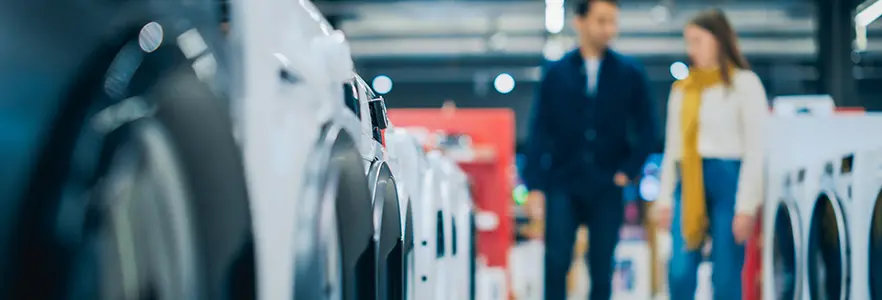
Changing Customer Requirements in the Appliance Industry
The appliance industry is experiencing a significant transformation, driven by the changing requirements and expectations of customers. With advancements in technology, rising disposable incomes, and a growing desire for convenience, consumers are demanding appliances that not only simplify their lives but also align with their values of sustainability and energy efficiency.
Changing Customer Requirements
Modern consumers have become more discerning when it comes to choosing appliances for their homes. They seek products that offer a seamless blend of functionality, style, and eco-consciousness. Here are some of the key changing customer requirements in the appliance industry:
a. Energy Efficiency: With the increasing awareness of environmental issues and the need to reduce energy consumption, customers prioritize energy-efficient appliances. They look for products with higher energy ratings that can help minimize their carbon footprint and contribute to lower utility bills.
b. Durability and Longevity: Consumers now expect appliances to have a longer lifespan and withstand regular usage. They value products that are built to last, reducing the need for frequent replacements and minimizing waste.
c. Smart Features: The advent of smart technology has revolutionized the appliance industry. Customers are attracted to appliances that offer advanced features such as connectivity, automation, and intuitive controls, allowing them to streamline their tasks and enhance their overall user experience.
d. Aesthetics: In addition to functionality, the visual appeal of appliances has gained significance. Customers seek appliances that complement their home decor and reflect their style. Sleek designs, premium finishes, and modern aesthetics are highly sought after.
e. Sustainable Manufacturing: Customers are increasingly concerned about the environmental impact of the products they purchase. They favor appliances manufactured using sustainable practices and materials that have a reduced environmental footprint.
Change in Requirements in the Steel Industry
Steel plays a vital role in the appliance industry, offering a myriad of benefits such as strength, durability, heat resistance, and corrosion resistance. As customer requirements evolve, the steel industry must adapt to provide materials that meet these changing demands. Here are some proven stats highlighting the change in requirements in the steel industry:
- According to a report by Allied Market Research, the global electrical steel market is projected to reach $21.0 billion by 2027, with a CAGR of 6.2% during the forecast period. This growth is attributed to the increasing demand for electrical steel in the manufacturing of transformers, motors, and generators.
- The rise of electric vehicles (EVs) has led to a surge in the demand for high-quality steel for battery casings, frames, and other components. The EV market is expected to grow at a CAGR of 21.7% from 2022 to 2030, according to a report by Grand View Research.
- Steel usage in the construction of household appliances, such as refrigerators and washing machines, has witnessed significant growth. The global electrical steel market size is estimated at USD 33.8 billion in 2021 and is projected to reach USD 45.8 billion by 2026, at a CAGR of 6.3% by GlobeNewswire.
Tata Steel's Approach to Meeting Changing Customer Requirements
Tata Steel, a leading player in the steel industry, understands the importance of adapting to the changing requirements of the appliance industry. With its Ecafez range of products, Tata Steel offers a diverse portfolio that caters to the evolving needs of customers. Here are some of Tata Steel's Ecafez products that exemplify their commitment to meet changing customer requirements:
- GalvaRoS: GalvaRoS is a premium galvanized steel product known for its high corrosion resistance and superior paint adhesion. It ensures long-lasting protection for appliances, especially those exposed to challenging environments such as marine or high-precipitation areas.
- Tata Steelium: Tata Steelium is a high-quality steel product known for its strength and formability. It is widely used in the manufacturing of household appliances, providing reliability and longevity.
- Tata Astrum: Tata Astrum is a hot-rolled steel product that offers excellent weldability and bendability. It is ideal for appliances that require intricate shapes and precise forming.
Conclusion
By leveraging its expertise in steel manufacturing and understanding the changing customer requirements, Tata Steel continues to lead in the appliance industry. The company focuses on innovation, sustainability, and collaboration with appliance manufacturers to develop products that meet the highest quality standards while keeping up with the evolving market trends.
1. How are customer requirements changing in the appliance industry?
Customers now prioritize energy efficiency, durability, smart features, aesthetics, and sustainable manufacturing in appliances.
2. Why is steel important in meeting these changing requirements?
Steel provides strength, durability, heat resistance, and corrosion resistance, making it essential for modern, long-lasting appliances.
3. How does Tata Steel support the appliance industry?
Tata Steel offers products like Tata Steelium, Tata Astrum, and GalvaRoS that ensure durability, formability, and corrosion resistance for appliance manufacturing.
4. What is GalvaRoS and its role in appliances?
GalvaRoS is a premium galvanized steel with superior corrosion resistance and paint adhesion, ideal for appliances in harsh environments.
5. How does Tata Steelium and Tata Astrum benefit appliance manufacturers?
Tata Steelium offers high strength and reliability, while Tata Astrum ensures excellent weldability and bendability for precise and complex appliance designs.