
Transitioning to Green Steel | Key Insights for Fabricators & Contractors
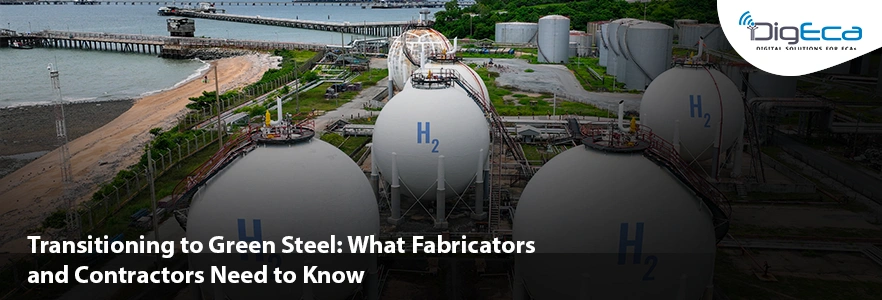
Transitioning to Green Steel: What Fabricators and Contractors Need to Know
Steel is everywhere, from the beams in buildings to the bolts in bridges. But making steel the old way creates a big problem: it’s one of the largest sources of carbon emissions in the world. That’s where green steel comes in. It’s made using cleaner processes, like electric arc furnaces and hydrogen instead of coal. For fabricators and contractors, this isn’t just a buzzword—it’s a shift that will change how materials are sourced, priced, and used. Understanding what green steel is, how it works, and how to prepare for it is now essential to stay competitive and future-ready.
What Is Green Steel?
Green steel is regular steel made with less carbon. Instead of using coal to process iron ore, green steel is made using:
- Electric Arc Furnaces (EAFs) powered by renewable electricity
- Recycled steel scrap that’s melted down and reused
- Hydrogen-based Direct Reduced Iron (DRI) that replaces coal
- Carbon Capture (CCS) systems that trap emissions before they reach the air
These methods can cut emissions by up to 75% or more. The result is steel that performs just like traditional steel, but with a much smaller impact on the planet.
Why Fabricators and Contractors Should Care?
Switching to green steel affects your projects, budgets, and clients. Here’s why:
- Clients are starting to demand low-carbon materials
- Government rules and taxes on emissions are increasing
- Sustainable buildings are winning more contracts and approvals
- Using green steel helps you meet ESG goals and certifications
Soon, if you’re not working with green materials, you may be out of the running for certain jobs. Learning how to source and work with green steel is key to staying relevant in the industry.
What’s Changing in the Steel Industry
1. Electric Arc Furnaces (EAFs)
These melt scrap steel using electricity, not coal. They’re cleaner, faster, and cheaper in the long run. EAFs already make up 25% of global steel production and are growing fast.
2. Hydrogen-Based DRI
This method uses hydrogen to separate oxygen from iron ore. The only byproduct is water vapor. It’s still in early stages but could become a major part of green steel production in the next decade.
3. Carbon Capture
This process traps CO₂ from traditional steel plants before it enters the atmosphere. It’s a useful tool but adds cost and complexity.
What It Means for Your Work
1. Sourcing Green Steel
You’ll need to start asking suppliers key questions:
- Was the steel made in an EAF or blast furnace?
- Does it come with a third-party environmental certification?
- Is it made from recycled content?
Look for Environmental Product Declarations (EPDs) and certifications like ResponsibleSteel™ or ISO 14001.
2. Planning for New Costs
Green steel may cost more today, but many projects will require it. Clients are also willing to pay more for certified low-carbon materials. In the long term, energy savings and better client trust can make up the difference.
3. Updating Supply Chains
Start working with suppliers who can deliver green steel. Use transportation methods that reduce fuel use, like rail over trucks. Track your materials to ensure transparency and traceability.
Making Your Shop More Sustainable
It’s not just about buying greener steel. It’s also about how you use it.
- Upgrade to energy-efficient cutting and welding tools
- Use smart sensors and predictive maintenance to reduce downtime
- Minimize scrap using better design software
- Recover and reuse heat from machinery
These steps not only lower emissions but also reduce costs over time.
Train Your Team
Green steel may behave slightly differently than regular steel—especially in cutting, welding, and shaping. Make sure your team understands:
- How to handle new steel grades
- How to use digital tools to track materials and emissions
- What sustainability standards apply to your projects
Upskilling workers now means fewer mistakes and faster adoption later.
Barriers You Should Expect
1. Higher Upfront Costs
Electric furnaces and hydrogen systems are expensive. Suppliers may charge more for green steel. But costs are expected to fall as demand grows.
2. Limited Availability
Some regions don’t have enough clean electricity or hydrogen infrastructure yet. This might delay access to certain materials.
3. Grid Challenges
EAFs draw a lot of power and can create electrical disturbances. Power compensation tools, like voltage regulators, may be needed on-site.
4. Client Education
Some clients still choose the lowest-cost material, not the greenest one. You may need to help them see the value in low-carbon materials.
How to Start Now
Here’s a simple checklist to begin your shift to green steel:
- Audit your suppliers: Where is your steel coming from? What are their emissions like?
- Request EPDs or certifications for your steel
- Start a pilot project using green steel to test results
- Digitize your tracking: Use tools to monitor carbon, waste, and energy
- Train your staff on sustainability practices and new fabrication methods
- Talk to clients early about their sustainability goals and how you can meet them
Start the Transition Before It’s Too Late
Waiting means falling behind. Clients, governments, and the industry are moving toward low-carbon materials fast. Projects that don’t meet sustainability goals could soon be rejected or heavily taxed. But those who adapt early can win more work, build a better reputation, and save money over time.
Even small steps like asking suppliers better questions, using recycled steel, or reducing shop waste can put you ahead of the curve. This transition doesn’t have to be perfect. It just has to start.
Conclusion
Make the Switch Work for You
Green steel is coming, whether you're ready or not. But you don’t need to change everything overnight. Start small. Ask better questions. Test greener materials. Upgrade your processes one step at a time. The key is to get moving before regulations, clients, or competitors force your hand. Learn how green steel works. Train your team. Push your suppliers. This is your chance to lead the shift, not chase it. You can reduce your footprint, cut future costs, and stay ahead in a changing industry. The sooner you begin, the more control you'll have over how the transition impacts your business.