
Understanding the Importance of Hot Rolled Steel in the Railway Segment
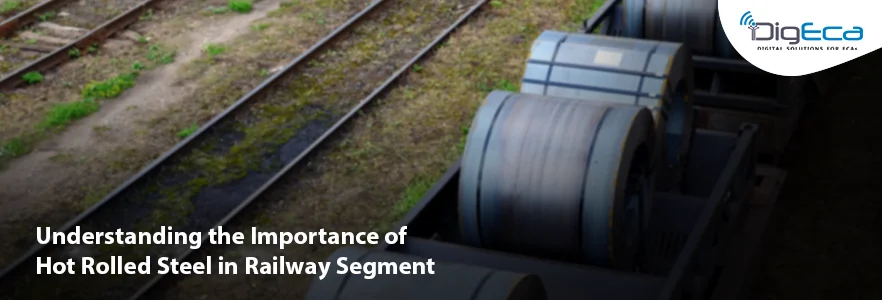
Understanding the Importance of Hot Rolled Steel in the Railway Segment
The railway business has long been an essential part of worldwide transportation, linking towns and nations, promoting trade, and strengthening economies. Hot rolled steel is an essential component of this massive railway system. Hot rolled steel, known for its toughness, adaptability, and longevity, is critical to the smooth and safe operation of railways. In this article, we will look at why hot rolled steel is so essential in the railway industry and how Tata Steel's hot rolled steel products, such as Tata Astrum, help the sector.
What is hot-rolled steel?
Hot rolled steel is made by heating steel over its melting point, often around 1,700°F (927°C), and then rolling it into the required form. This process produces a steel product with superior mechanical qualities, making it perfect for applications that require strength and longevity. Hot rolled steel is available in a variety of forms, including coils, sheets, and plates, each with specific benefits depending on the use.
Applications of Hot Rolled Steel in the Railway Segment
Hot rolled steel is used extensively in various components of railway construction. Some of the key applications include:
1. Railway Tracks
Hot rolled steel is the basic material used to make railway rails. The great strength of hot rolled steel ensures that the rails can support the weight of trains and survive deformation over time. The rolling process provides the steel a surface polish that improves grip between the track and the train's wheels, resulting in greater stability and safety.
2. Rail Sleeper Plates
Sleeper plates, which support and hold the rails to the ground, are another important component composed of hot rolled steel. These plates keep the tracks straight and sturdy, even under outstanding loads and pressures. The flexibility of hot rolled steel enables the manufacture of sleeper plates in various sizes and forms to fulfill the special needs of various railway systems.
3. Structural Support Components
Aside from rails, hot rolled steel is utilized to create supporting structures such as bridges, tunnels, and overhead systems. Its strength and durability to damaging weather conditions make it an ideal material for building dependable and long-lasting railway infrastructure. Hot rolled steel's flexibility makes it suitable for usage in a variety of structural applications requiring a high load-bearing capability.
4. Wheels and Axles
Hot rolled steel is also used to manufacture train wheels and axles. These components must sustain extreme mechanical stress, making hot rolled steel an excellent choice due to its strength and toughness. Properly made hot rolled steel guarantees that wheels and axles are functional and safe for their entire lives.
How Hot Rolled Steel Coils Benefit Railway Construction
Hot rolled steel coils are particularly beneficial for railway construction due to their adaptability and efficiency in manufacturing:
1. Streamlined production
Hot rolled steel coils are produced in a continuous process, enabling efficient and large-scale production. This efficiency is essential for railway projects, which frequently require large volumes of steel on short schedules.
2. Customizable lengths and sizes.
Coils may be cleaned to unique lengths and sizes, giving manufacturers more freedom when producing tracks, plates, and other components. This flexibility streamlines the building process by avoiding waste and guaranteeing that the steel meets the project's exact specifications.
3. Cost efficiency.
Hot rolled steel coils are an affordable alternative for railway construction. Their manufacturing process makes them less expensive than cold-rolled alternatives, while maintaining the quality required for demanding railway applications.
Tata Astrum: Leading the Way in Hot Rolled Steel
Tata Steel’s Tata Astrum is a trusted brand in the hot rolled steel market, known for its high-quality steel products tailored to the needs of various industries, including the railway segment. Tata Astrum offers a range of hot rolled steel products that are ideal for railway applications:
1. High-Quality Standards
Tata Astrum hot rolled steel products adhere to strict quality standards, ensuring consistency, reliability, and superior performance. For the railway sector, where safety and precision are paramount, Tata Astrum’s commitment to quality is essential.
2. Wide Range of Options
Tata Astrum provides a wide range of hot rolled steel products, including hot rolled steel coils, sheets, and plates, making it easier for railway contractors and builders to find the perfect material for their specific projects. This flexibility allows for tailored solutions that meet the unique requirements of each railway project.
3. Innovative Solutions for the Railway Sector
Tata Steel’s focus on innovation has led to the development of advanced hot rolled steel products that cater to the evolving needs of the railway segment. Tata Astrum’s products are designed to offer enhanced durability, better corrosion resistance, and improved mechanical properties, making them ideal for modern railway infrastructure.
Future of Hot Rolled Steel in Railways
As the railway sector evolves, the demand for high-quality, dependable materials such as hot rolled steel will only grow. Modern rail systems need materials that not only exceed traditional criteria of strength and endurance, but also contain modern qualities such as increased corrosion resistance and weight reduction.
Tata Steel is at the forefront of this transition, offering innovative solutions such as Tata Astrum to meet the current and future difficulties of railway construction. Tata Steel guarantees that its hot rolled steel products continue to be the chosen choice of railway specialists throughout the world by investing in modern manufacturing processes and quality assurance.
Conclusion
Hot rolled steel is an essential part of the railway sector, providing unparalleled strength, endurance, and adaptability. Hot rolled steel is critical to the safe and effective operation of railways, from tracks to structural components. Tata Steel's Tata Astrum is a renowned hot rolled steel brand that supplies high-quality products to the railway industry that fulfill demanding specifications and provide dependable performance.
Tata Steel continues to assist the railway industry's growth and development, contributing to the creation of safer, more efficient rail networks in the future.
By choosing the correct hot rolled steel goods from a reputable manufacturer, Tata Steel, you can ensure that your railway projects will endure the test of time and weather.
1. What is hot rolled steel and why is it used in railways?
Hot rolled steel is processed at high temperatures to enhance strength and durability, making it ideal for railway tracks, sleepers, and structural components.
2. How are hot rolled steel coils beneficial for railway construction?
They allow efficient large-scale production, customizable lengths, and cost-effective solutions while meeting precise project requirements.
3. Which railway components use Tata Astrum hot rolled steel?
Railway tracks, sleeper plates, structural supports, wheels, and axles all utilize Tata Astrum for strength, safety, and longevity.
4. Why choose Tata Astrum for railway projects?
It ensures high-quality standards, diverse product options, and innovative solutions with enhanced corrosion resistance and mechanical properties.
5. What is the future outlook for hot rolled steel in railways?
Demand is expected to grow with modern rail systems requiring stronger, lighter, and corrosion-resistant steel for efficient and safe infrastructure.