
Save time and cost in Construction with the help of PEB
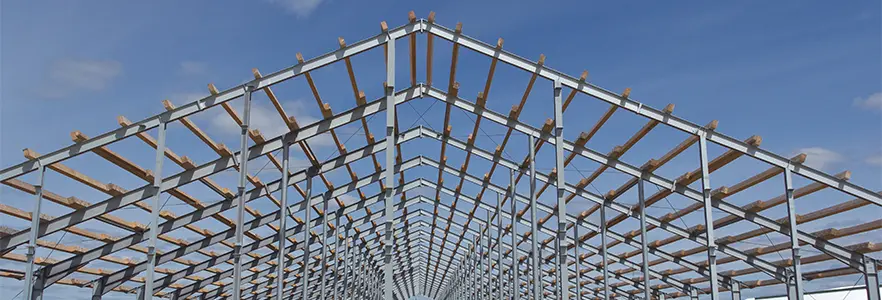
Save time and cost in Construction with the help of PEB
In the ever-evolving world of construction, time and cost efficiency play a crucial role in determining the success of any project. One of the key advancements that have emerged in recent years is the concept of Pre-Engineered Buildings (PEB). PEB, also known as pre-engineered steel buildings, has revolutionized the construction industry by offering significant advantages in terms of time, cost, quality, and sustainability. Offsite construction enables fast construction, which is not achievable through the conventional brick-and-mortar process as PEB is 30% lighter than Conventional Steel Building(CSB) structures.
What are Pre-Engineered Buildings?
Pre-Engineered Buildings (PEB) are structures that are manufactured off-site and assembled on-site. Unlike conventional construction methods that involve on-site fabrication, PEB relies on pre-designed components that are precision-engineered and manufactured in factories. These components, such as columns, beams, purlins, panels, and other steel elements, are produced using computer-aided design (CAD) software and advanced manufacturing techniques. They are then transported to the construction site and assembled using bolted connections, reducing the need for welding and minimizing construction time.
PEB: Saving Time and Cost
Reduced Construction Time: One of the most significant advantages of PEB is its ability to drastically reduce construction time. The pre-designed and pre-engineered nature of PEB components allows for parallel processing, wherein site preparation and manufacturing occur simultaneously. While the site is being prepared, the steel components are fabricated in a controlled factory environment.
With the implementation of PEB, buildings can be constructed within a remarkably short timeframe of 6 to 8 weeks following the approval of drawings. This significant reduction in total manufacturing time, by at least 30%, enables faster occupancy of the building and allows for the realization of revenue at an earlier stage.
Efficient Project Management: PEB simplifies project management by streamlining the construction process. Since the components are manufactured off-site, the construction site becomes more organized and less cluttered. This organized approach minimizes on-site errors, delays, and rework.
With accurate design and fabrication, the assembly of PEB structures is quick and efficient, ensuring smoother project execution and effective resource utilization.
Cost Savings: PEB offers substantial cost advantages throughout the construction process. The use of standardized and pre-designed components minimizes material wastage and optimizes the utilization of resources. The controlled factory environment enables efficient inventory management, reducing storage costs. Timelines can be reduced by as high as 50% contrasted to various other sorts of storehouse buildings.
Other cost savings, such as lowered insurance policy premiums thanks to the security and resistance to weather damages of steel, should also be made up.
Sustainable Construction with PEB
In addition to time and cost savings, PEB also offers significant environmental benefits, making it a sustainable choice for construction projects. Here's how PEB contributes to sustainable construction:
Resource Efficiency: PEB components are fabricated with precision, minimizing material waste. The controlled factory environment allows for better resource utilization, reducing the overall environmental impact.
Energy Efficiency: PEB structures can be designed to incorporate energy-efficient features such as insulation, natural lighting, and ventilation systems. These features help reduce energy consumption and lower operational costs in the long run.
Durability and Recyclability: Steel, the primary material used in PEB, is highly durable and can be recycled at the end of the building's lifecycle. This reduces the demand for new materials and minimizes construction waste.
Key Systems of Pre-Engineered Buildings (PEB)
Primary Framing System:
The primary framing system forms the main structural framework of the building. It typically consists of rigid frames that support the entire load of the building. The primary framing system includes columns, rafters, and other structural elements that provide stability and support.
Secondary Framing System:
The secondary framing system supports the roofing and wall cladding of the building. It includes components such as purlins, girts, eave struts, and bracing. These elements help distribute the loads from the primary framing and provide additional structural support.
Roofing and Cladding System:
The roofing and cladding system is responsible for weatherproofing and providing an aesthetically pleasing exterior to the building. It includes roof panels, wall panels, insulation, and accessories such as flashings and gutters. This system helps protect the building from the elements and contributes to energy efficiency.
Canopy Systems:
Canopies are often included in PEB structures to provide covered entrances, walkways, or shaded areas. Canopy systems typically consist of columns, beams, and roof panels that extend from the main structure to create a covered space outside the building.
Accessories and Add-Ons:
PEB systems also include various accessories and add-ons that enhance the functionality and aesthetics of the building. These can include doors, windows, ventilation systems, lighting fixtures, and other customized features based on the specific requirements of the project.
Each system in a PEB serves a specific purpose and contributes to the overall efficiency, durability, and functionality of the structure. By integrating these systems seamlessly, PEB construction offers faster project completion, cost savings, and sustainable building solutions.
TATA Astrum is specifically designed to fulfill the structural needs of Pre-Engineered Building (PEB) projects, offering a range of product and service advantages. The applications of PEBs are diverse, encompassing various structures such as showrooms, low-rise commercial complexes, industrial buildings, workshops, stadiums, schools, bridges, fuel stations, aircraft hangars, exhibition centers, railway stations, and even metro installations.
GalvaRoS is a segment that falls under the roofing and cladding system in Pre-Engineered Buildings (PEB) construction as well as in add-ons and accessories. It is a specialized product offered by TATA Ecafez for PEB structures. GalvaRoS refers to Galvanized Roofing Sheets, which are designed for the roofing application in PEBs. These sheets are made from high-quality galvanized steel and are coated with a protective layer to enhance durability and weather resistance.
Galvano, known for its exceptional strength and excellent corrosion resistance, is extensively utilized in the construction of structural elements in Pre-Engineered Buildings (PEBs), particularly purlins, which are an integral part of the secondary framing system.
DigECA plays a significant role in facilitating the use of Galvano by offering a range of high-quality purlins that contribute to the overall strength, durability, and structural integrity of PEBs.
Galvanova is highly beneficial in Pre-Engineered Buildings (PEBs) due to its exceptional qualities. This specialized product offers superior strength and corrosion resistance, making it ideal for structural components in PEBs.
Galvanova is used extensively in False Ceilings. Our coated brand offering has carved a niche for itself with its high durability, low maintenance, and superior corrosion resistance properties
Conclusion
Pre-Engineered Buildings (PEB) have emerged as a game-changer in the construction industry, offering substantial time and cost savings, improved quality, and sustainability. With reduced construction time, efficient project management, and cost-effective solutions, PEB has become a preferred choice for developers and contractors worldwide.
1. What are Pre-Engineered Buildings (PEB)?
PEBs are steel structures manufactured off-site with pre-designed components and assembled on-site, ensuring faster construction and reduced costs.
2. How do PEBs save time in construction?
By fabricating components off-site while site preparation occurs simultaneously, PEBs can be completed within 6–8 weeks, 30% faster than conventional buildings.
3. How do PEBs reduce construction costs?
Standardized components minimize material waste, optimize resource use, and lower storage and insurance costs, making construction more cost-effective.
4. What are the key systems in a PEB?
PEBs consist of primary framing (columns and rafters), secondary framing (purlins and girts), roofing & cladding, canopy systems, and accessories for structural efficiency.
5. How do Tata Steel and DigECA support PEB construction?
Tata Steel provides high-quality steel for PEBs like TATA Astrum, while DigECA offers specialized products like Galvano and GalvaRoS for structural strength, durability, and corrosion resistance.