
Steel Production Process Explained | From Extraction to End Use
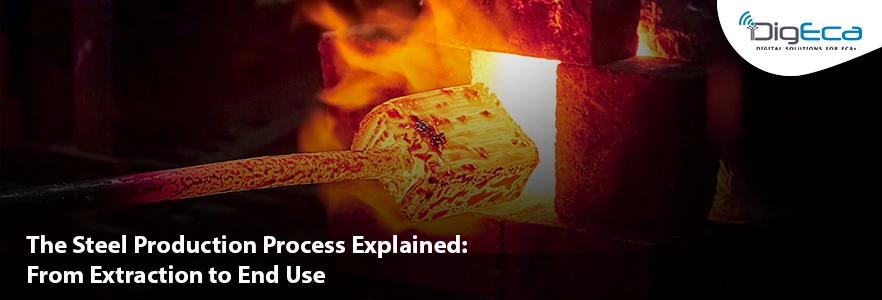
The Steel Production Process Explained: From Extraction to End Use
Steel is everywhere. It builds our cities. It runs through our machines. It holds up our homes and bridges. But how does it get made? That part often gets missed.
Steel doesn’t come ready to use. It starts as rock, gets melted, refined, shaped and sometimes recycled. Each step in the steel making process matters. For builders, fabricators, and contractors, it’s worth knowing.
Let’s break it down. Here’s how steel production moves from raw material to something you can build with.
1. The Raw Materials
Steel begins with three things:
- Iron ore – This is where the iron comes from. It’s dug out of the ground.
- Coke – Coal that’s been heated to remove gases. It’s strong and burns hot.
- Limestone – Helps remove dirt and unwanted stuff during melting.
These raw ingredients are crushed and moved to the steel plant process site. That’s where the real work starts.
2. The Blast Furnace
All the materials go into a huge furnace, called a blast furnace.
Here’s what happens inside:
- Coke burns and creates carbon monoxide.
- That gas pulls oxygen out of the iron ore.
- What’s left is molten iron, also known as pig iron.
- Limestone melts into slag, floating and removing impurities.
We now have hot, liquid iron. But it’s still not strong enough. The journey of the steel making process continues.
3. Making Steel
The next phase turns pig iron into steel. There are two main routes:
A. Basic Oxygen Furnace (BOF)
- Pig iron and scrap steel are mixed.
- Oxygen is blown in under pressure.
- It burns off extra carbon and impurities.
- Takes around 15 minutes.
B. Electric Arc Furnace (EAF)
- Mostly uses recycled metal.
- Electric arcs melt the scrap.
- May include direct reduced iron (DRI).
- Cleaner and more energy-efficient.
EAF is now common in steel production because it supports recycling and reduces emissions.
4. Fine-Tuning the Steel
Next is refining, called secondary steelmaking.
This step improves quality by:
- Adding alloys like nickel or chromium (key in the manufacture of stainless steel)
- Removing gases like hydrogen and oxygen
- Stirring and temperature control
It’s especially crucial in the manufacture of stainless steel , where purity and corrosion resistance are vital.
5. Casting: From Liquid to Solid
Molten steel needs to harden. There are two casting methods:
- Ingot casting – Steel is poured into molds.
- Continuous casting – Flows into water-cooled molds to form solid shapes.
Outputs include:
- Slabs → for sheets
- Billets → for bars and rods
- Blooms → for beams and rails
This “semi-finished” steel product is now ready for shaping.
6. Rolling and Forming
This is where steel products take their final form.
Hot Rolling
- Steel is reheated and passed through rollers.
- Creates beams, coils, and sheets.
Cold Rolling
- Rolled at room temperature.
- Produces smoother, more precise steel products.
Other finishing steps may include:
- Cutting and shaping
- Heat treatment
- Galvanizing
- Surface coating
By now, you’ve got usable steel products, ready for fabrication or construction.
7. Where Steel Goes
Steel shows up in almost every industry. It’s used in:
- Buildings, bridges, and airports
- Cars, trucks, trains, and ships
- Machines, tools, tanks, and pipes
- Roofing sheets and structural frameworks
From high-rise buildings to your kitchen sink, steel products are everywhere. Some require strength, others need corrosion resistance, hence the need for processes like the manufacture of stainless steel.
8. Recycling: Steel’s Superpower
Steel doesn’t degrade. It’s endlessly recyclable.
Here’s how:
- Old steel from buildings, cars, or machinery is collected.
- It’s sorted, cleaned, and melted in an Electric Arc Furnace.
- Recast into fresh steel products.
This process saves energy, reduces emissions, and supports circular economies. It's also a key part of sustainable steel production.
9. Making Steel Cleaner
Traditional steel plant processes are carbon-heavy. That’s changing.
Cleaner methods now include:
- Using green hydrogen instead of coal
- Running DRI on solar or wind power
- Smarter furnace designs like HIsarna
- Heat recycling and carbon capture
This shift is crucial to the global push for green infrastructure. Green steel is here—and growing.
Why It Matters
Steel isn’t just “strong metal.” It’s the result of a complex, deliberate steel making process.
Knowing how it’s made helps you:
- Ask the right questions
- Choose the right materials
- Work with better suppliers
- Prioritize sustainability
Whether you’re sourcing steel products or reviewing specs for a beam, understanding the steel plant process lets you make better decisions, technically and financially.
Conclusion
Start Smarter: What You Can Do as a Fabricator or Contractor
If you work in construction or fabrication, here's what this really means for you:
- Know your material: From hot rolled vs. cold rolled to the right finish or the manufacture of stainless steel, details matter.
- Ask better questions: What furnace method was used? How much scrap was reused? What’s the carbon footprint?
- Work with knowledgeable partners: Suppliers who understand the full steel making process will help you avoid costly mistakes.
And most importantly, stay informed. The steel production world is changing fast. With green steel, new alloys, and evolving standards, even a little knowledge gives you a big edge.
From Mine to Market: Make Informed Steel Decisions
What this whole journey shows is the power of transformation—how raw ore becomes the beams that hold up bridges and the sheets that roof our homes.
From iron ore to the manufacture of stainless steel, from slabs to skyscrapers, steel production fuels modern life.
Whether you’re comparing sheet thicknesses or sourcing for eco-certification, understanding the steel plant process helps you choose the right material, ask the right questions, and build with confidence.