
What is Hot-Dip Galvanizing?
What is Hot-Dip Galvanizing?
In the realm of industrial processes, there are various techniques employed to protect metal structures from corrosion and extend their lifespan.
One such widely used method is hot-dip galvanizing. Hot-dip galvanizing protects steel or iron products against corrosion and rust by applying a zinc coating. This process has been in practice for centuries and continues to be an essential part of modern-day industries.
The Step-by-Step Process of Hot-Dip Galvanizing
Hot-dip galvanizing involves a series of carefully orchestrated steps that ensure the formation of a durable and uniform zinc coating.
Surface Preparation:
Before any galvanizing can take place, the metal surfaces need to be thoroughly cleaned to remove any dirt, grease, or oxides. This cleaning process typically involves a combination of alkaline cleaning, acid pickling, and fluxing to achieve a clean and chemically reactive surface.
Fluxing:
After cleaning, the metal is dipped into a flux solution. The flux, usually a mixture of ammonium chloride and zinc chloride, helps to remove any remaining oxides, prevents re-oxidation of the metal surface, and promotes the formation of a smooth and uniform coating.
Galvanizing Bath:
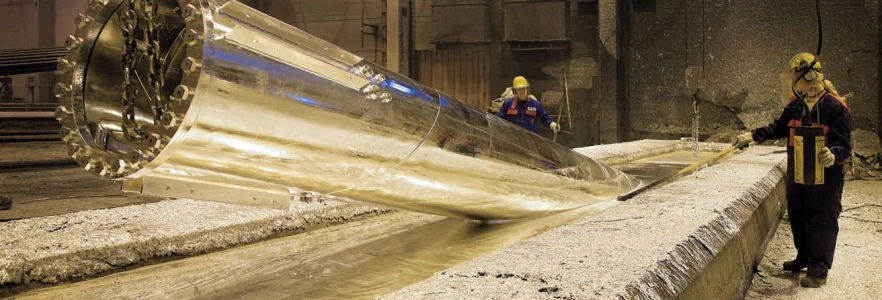
Once the metal has been fluxed, it is immersed in a bath of molten zinc at a temperature of around 450°C (840°F). The zinc bath consists of a metallurgical bond with the metal substrate, forming a series of zinc-iron alloy layers. The thickness of the coating depends on the duration of immersion and the composition of the metal.
Quenching:
After the metal has been withdrawn from the galvanizing bath, it is subjected to a quenching process. Quenching involves rapidly cooling the metal by immersion in a water or air bath. This step solidifies the zinc coating and ensures its adherence to the metal surface.
Inspection:
The galvanized product is then inspected to ensure that the coating meets the required specifications. Various quality control tests are performed, including thickness measurements, visual inspections, and adhesion tests. If any issues are identified, they can be rectified before the product is deemed ready for use.
Advantages of Hot-Dip Galvanizing
- Hot-dip galvanizing offers numerous advantages that make it a preferred method for corrosion protection. The process involves immersing steel or iron products in a molten zinc bath, resulting in a robust coating that provides exceptional resistance against corrosion. One of the key advantages of hot-dip galvanizing is its longevity. The zinc coating acts as a sacrificial barrier, protecting the underlying metal from rust and corrosion for decades, even in the harshest environments.
- In addition to its durability, hot-dip galvanizing requires minimal maintenance over its lifetime. Unlike other coating methods that may require frequent touch-ups or recoating, galvanized structures generally require only periodic inspections and simple cleaning to maintain their protective properties. This significantly reduces maintenance costs and extends the service life of the galvanized products.
Another significant advantage of hot-dip galvanizing is its cost-effectiveness. Although the initial investment for galvanizing may be slightly higher than alternative coating methods, the long-term savings are substantial. Galvanized structures do not require frequent repainting or maintenance, resulting in reduced maintenance and replacement costs.
- Furthermore, hot-dip galvanizing is an environmentally sustainable choice. The zinc used in the process is a naturally abundant and recyclable material. Galvanized steel can be recycled at the end of its life cycle, reducing the demand for new raw materials. Additionally, the galvanizing process itself has minimal energy requirements compared to other coating methods, making it an eco-friendly solution for corrosion protection.
Applications of Hot-Dip Galvanizing
Hot-dip galvanizing finds applications in a wide range of industries due to its exceptional protective properties and versatility. Here are some of the key areas where hot-dip galvanizing is extensively used:
Construction:
Hot-dip galvanized steel is widely employed in the construction industry for structural components, such as beams, columns, and trusses. The galvanized coating provides robust corrosion protection, ensuring the longevity and durability of these critical building elements.
Transportation:
The automotive and transportation sectors rely on hot-dip galvanizing to protect various components from corrosion. Galvanized steel is commonly used for car bodies, chassis, exhaust systems, and trailers, ensuring that vehicles remain rust-free and structurally sound.
Infrastructure:
Infrastructure projects often utilize hot-dip galvanized steel for bridges, highway barriers, lighting poles, and transmission towers. The galvanized coating withstands harsh environmental conditions, including exposure to moisture, road salts, and atmospheric pollutants.
Agriculture:
In the agricultural industry, hot-dip galvanizing is employed for numerous applications, including fencing, livestock enclosures, water troughs, and equipment. Galvanized materials provide excellent protection against corrosive substances present in agricultural environments.
Electrical and Telecommunications:
Hot-dip galvanizing plays a crucial role in the electrical and telecommunications sectors. Galvanized steel is used for utility poles, cable trays, transmission lines, and other infrastructure, offering corrosion resistance and ensuring reliable performance over an extended period.
Industrial Equipment:
Various industrial equipment, such as storage tanks, silos, and HVAC systems, benefit from hot-dip galvanizing. The zinc coating guards against corrosion caused by chemicals, moisture, and harsh operating conditions, enhancing the lifespan and reliability of these structures.
Innovations in Hot-Dip Galvanizing
The field of hot-dip galvanizing has witnessed several innovations aimed at further improving the process and enhancing the performance of galvanized coatings. Here are some notable advancements:
a. Alloyed Galvanized Coatings: Traditional hot-dip galvanized coatings consist primarily of pure zinc. However, the inclusion of alloying elements, such as aluminum or magnesium, can improve the corrosion resistance and durability of the coatings. Alloyed galvanized coatings offer enhanced protection in specific environments, making them suitable for applications exposed to extreme conditions or aggressive chemicals.
b. Duplex Systems: Duplex systems combine hot-dip galvanizing with other coating methods, such as paint or powder coatings, to create a dual-layer protection system. The hot-dip galvanized layer acts as the primary barrier against corrosion, while the top layer provides additional aesthetics and environmental resistance.
c. Automation and Robotics: The integration of automation and robotics in galvanizing plants has revolutionized the efficiency and precision of the galvanizing process. Automated material handling systems, robotic zinc application, and advanced monitoring technologies ensure consistent coating quality and reduce human error.
d. Environmentally Friendly Fluxes and Zinc Alloys: Fluxes are used in the galvanizing process to remove oxides from the metal surface and promote the bonding of zinc. The development of environmentally friendly fluxes, such as low-zinc or chloride-free options, reduces the environmental impact of the galvanizing process.
Sustainability Aspects of Hot-Dip Galvanizing
Hot-dip galvanizing is recognized for its positive impact on sustainability across multiple fronts. Here are some key sustainability aspects associated with the process:
a. Extended Product Lifespan: By providing long-lasting corrosion protection, hot-dip galvanizing extends the lifespan of steel products. This reduces the frequency of replacements, conserves resources, and minimizes waste generation.
b. Recyclability: Zinc, the primary material used in hot-dip galvanizing, is a naturally abundant and recyclable metal. At the end of a product's life cycle, galvanized steel can be easily recycled, with the zinc coating being reclaimed and used for other applications.
c. Energy Efficiency: Compared to other coating methods, hot-dip galvanizing requires minimal energy consumption during the galvanizing process. The high-temperature bath used for immersion typically operates on natural gas or electricity, with energy efficiency measures in place to optimize heat transfer and minimize energy waste.
d. Reduced Maintenance Requirements: The low maintenance needs of galvanized coatings translate to reduced energy consumption and environmental impact over the product's lifespan. Avoiding frequent repainting or maintenance activities conserves resources and minimizes the use of potentially harmful chemicals associated with surface preparation and coating application.
Conclusion
When it comes to selecting the right galvanized steel for any projects, making an informed decision is crucial. DigECA by Tata Steel, is a leading platform that comes into the picture. DigECA provides comprehensive technical assistance to customers in choosing the best steel for their specific requirements.
1. What is hot-dip galvanizing?
Hot-dip galvanizing is a process where steel or iron is coated with molten zinc to protect against corrosion, rust, and environmental damage.
2. How is hot-dip galvanizing performed?
The process involves surface cleaning, fluxing, immersion in molten zinc, quenching, and inspection to create a durable and uniform protective coating.
3. What are the advantages of hot-dip galvanizing?
It provides long-lasting corrosion protection, minimal maintenance, cost-effectiveness, and is environmentally sustainable due to recyclable zinc.
4. Where is hot-dip galvanized steel commonly used?
Applications include construction, infrastructure, automotive, agriculture, electrical, and industrial equipment, offering enhanced durability in harsh conditions.
5. How does Tata Steel support customers with hot-dip galvanized steel?
DigECA by Tata Steel provides technical guidance to help customers choose the right galvanized steel products for specific project requirements.